
led hello kitty wall mirror
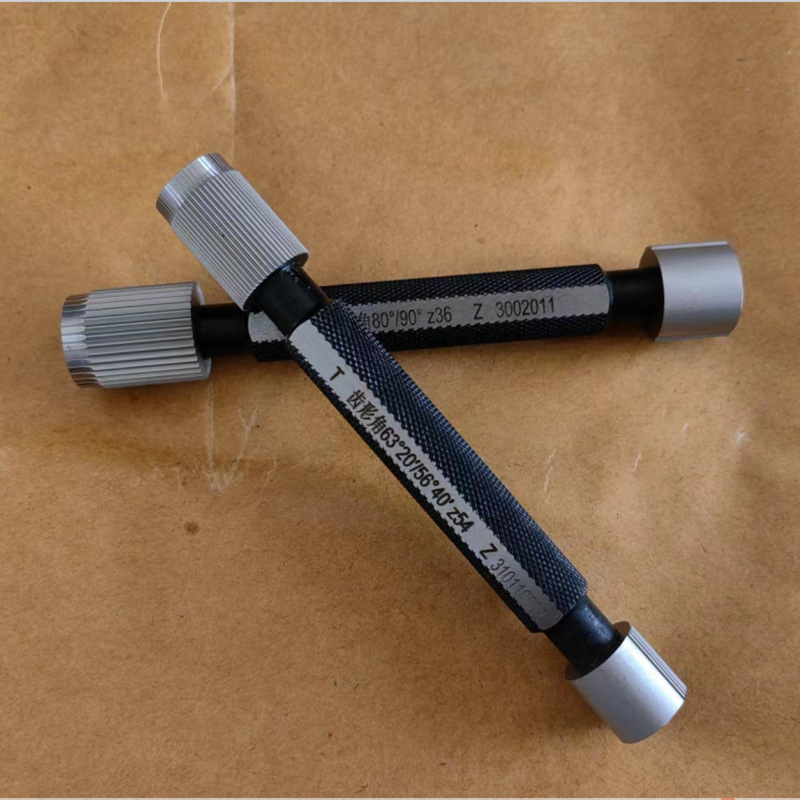
Understanding Plug Gauges Essential Tools for Precision Engineering In the realm of precision engineering and manufacturing, ensuring the correct dimensions of machined parts is paramount. One of the critical tools employed in this process is the plug gauge. Designed for checking the internal dimensions of holes and bores, plug gauges are integral to quality control and assurance in various industries, including automotive, aerospace, and electronics. What is a Plug Gauge? A plug gauge is a cylindrical measuring device used to verify the dimensional accuracy of holes. Typically made from high-grade steel, these gauges can be classified into two primary types Go gauges and No-Go gauges. The Go gauge is slightly smaller than the specified hole diameter, ensuring that it can fit into the hole if it is within the acceptable tolerance range. Conversely, the No-Go gauge is slightly larger, designed to ensure that if it does fit, the hole is out of specification. Types of Plug Gauges 1. Plain Plug Gauges These are the simplest form of plug gauges, used for basic inspections of hole diameters. 2. Tapered Plug Gauges These gauges have a tapering design that allows them to check not only the diameter but also the conformance of the shape and size over a distance. 3. Adjustable Plug Gauges These are used when a more precise measurement is required. They can be adjusted to different sizes, offering flexibility for various dimensions. 4. Specialty Plug Gauges Custom-made plug gauges are designed for specific applications, such as checking unique hole shapes or sizes in specialized components . Importance of Plug Gauges plug gauge The accuracy and precision of products depend significantly on the effectiveness of the measurement tools used during the manufacturing process. Plug gauges play a vital role in ensuring that parts fit together as intended, which is especially important in assemblies where multiple components are combined. If parts do not meet specified tolerances, it can lead to assembly issues, increased production costs, and even failures in the final product. Moreover, the use of plug gauges contributes significantly to the efficiency of the manufacturing process. By implementing these gauges, manufacturers can conduct quick inspections of parts, minimizing downtime and streamlining production. This efficiency is crucial in today’s fast-paced manufacturing environment, where speed and accuracy directly impact competitiveness in the market. How to Use Plug Gauges Using a plug gauge effectively requires a clear understanding of tolerances and specifications. Operators must first verify that the gauge is calibrated and in good condition. The process generally includes the following steps 1. Insert the Go Gauge The operator places the Go gauge into the hole. If it fits, it indicates that the hole is within the minimum allowable size. 2. Insert the No-Go Gauge Next, the No-Go gauge is inserted. If the No-Go gauge fits, it signals that the hole exceeds its maximum allowable size, which means it is out of tolerance. 3. Record Measurements Any discrepancies found during the measurement process should be recorded for quality assurance tests, enabling manufacturers to address issues promptly. 4. Routine Maintenance Regular calibration and maintenance of plug gauges ensure their accuracy and prolong their lifespan. Conclusion Plug gauges are indispensable tools in precision manufacturing, playing a crucial role in quality control and assurance. Their straightforward design and functionality make them reliable instruments for ensuring that parts meet specified tolerances. The use of plug gauges not only enhances the accuracy of measurements but also promotes operational efficiency in the manufacturing process. As industries continue to evolve and demand higher precision, the importance of plug gauges in maintaining quality standards will undoubtedly grow. By investing in proper usage and maintenance of these tools, manufacturers can ensure the longevity and performance of their products in a competitive marketplace.
about
led hello kitty wall mirror
Kontrola Spawów z użyciem Wskaźnika do Spawania W dzisiejszych czasach branża przemysłowa stawia duży nacisk na jakość procesów produkcyjnych, a w szczególności na trwałość i niezawodność połączeń spawanych. W tej dziedzinie niezwykle istotna jest kontrola spoin, której dokonuje się przy użyciu różnorodnych narzędzi i metod. Jednym z najważniejszych instrumentów w ocenie jakości spawów jest wskaźnik do spawania, znany również jako gwintownik spawalniczy lub suwmiarka do spawów. Czym jest wskaźnik do spawania? Wskaźnik do spawania to narzędzie pomiarowe, które służy do oceny wymiarów i jakości spoin. Zazwyczaj wykonany jest z metalu, a jego konstrukcja zapewnia łatwość w użyciu oraz precyzję pomiarów. Umożliwia on kontrolę głębokości, szerokości i kształtu spoin, co jest kluczowe dla zapewnienia, że połączenia są wykonane zgodnie z normami i specyfikacjami technicznymi. Dlaczego kontrola spawów jest ważna? Nieprzestrzeganie standardów i nieprawidłowe wykonanie spoin może prowadzić do poważnych problemów. W przemyśle budowlanym, motoryzacyjnym czy lotniczym, nienależycie wykonane spawy mogą pociągać za sobą katastrofalne konsekwencje. Kontrola spawów pozwala na wczesne wykrycie wad, co z kolei może znacznie ograniczyć ryzyko awarii, zwiększając tym samym bezpieczeństwo użytkowników końcowych. Przykłady zastosowania Wskaźniki do spawania są szeroko stosowane w różnych dziedzinach przemysłu. Na przykład w budownictwie, gdzie atestacja spoin jest kluczowa dla zachowania stabilności konstrukcji. W branży motoryzacyjnej, gdzie każdy element musi spełniać wysokie standardy bezpieczeństwa, kontrola spawów jest niezbędna. Również w przemyśle lotniczym, gdzie niezawodność i jakość materiałów są na wagę złota, wskaźniki do spawania odgrywają kluczową rolę. Jak korzystać ze wskaźnika do spawania? welding inspection ruler Użycie wskaźnika do spawania jest dość proste, jednak wymaga pewnej wprawy. Proces ten zazwyczaj obejmuje następujące kroki 1. Przygotowanie powierzchni - przed wykonaniem pomiaru, upewnij się, że powierzchnia spoiny jest czysta i wolna od zanieczyszczeń. 2. Pomiar głębokości spoiny - użyj końcówki wskaźnika do pomiaru głębokości spoiny. Upewnij się, że narzędzie jest dobrze osadzone, aby uzyskać dokładny wynik. 3. Pomiar szerokości spoiny - zwróć uwagę na szerokość spoiny, gdyż jest to kluczowy czynnik określający jej jakość. 4. Analiza wyników - po wykonaniu pomiarów, porównaj wyniki z wymaganiami zawartymi w specyfikacji technicznej. 5. Dokumentacja - sporządź odpowiednią dokumentację, która potwierdzi przeprowadzone kontrole i wyniki. Podsumowanie Wskaźnik do spawania jest niezastąpionym narzędziem w kontroli jakości spoin. Jego właściwe użycie pozwala na identyfikację potencjalnych wad oraz zapewnienie, że wszystkie połączenia spawane spełniają najwyższe standardy jakości. W obliczu rosnących wymagań jakościowych w przemysłach takich jak budownictwo, motoryzacja czy lotnictwo, wskaźnik ten zyskuje na znaczeniu i staje się kluczowym elementem zapewniającym bezpieczeństwo i niezawodność konstrukcji. Niezależnie od branży, dbałość o szczegóły i jakość realizowanych spoin to krok w kierunku bardziej efektywnych i bezpiecznych procesów produkcyjnych.
-

High quality industrial productsagement

High quality industrial products
View Details -

Meet the diverse needs of customers

Meet the diverse needs of customers
View Details -

Strict quality control

Strict quality control
View Details -

Top raw materials

Top raw materials
View Details -

Trusted supplier

Trusted supplier
View Details
Our application


news and information

Vidin'ny vidin'ny fitaovana fanombanana tariby sy fangarona
Ny vidin'ny fitaovana fanombanana rohy dia tena zava-dehibe amin'ny indostria sy ny sehatra hafa man
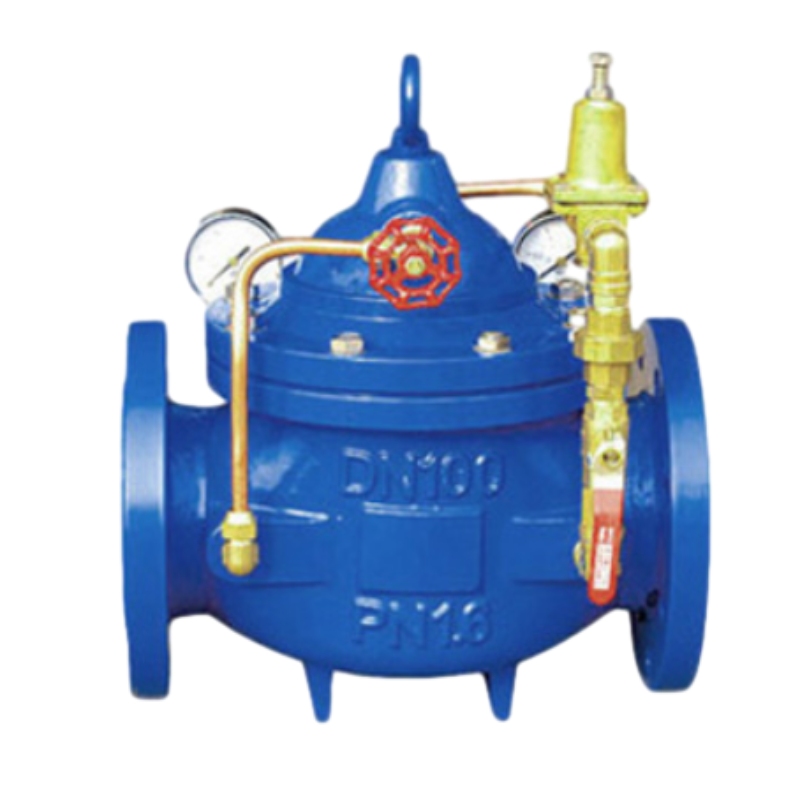
Y Type Suction Strainer Overview and Applications in Fluid Systems
Understanding Y-Type Suction Strainers A Vital Component in Fluid Systems In various industrial appl

V Blocks for Sale_ Types, Uses, and Best Heavy-Duty Frame V Options
V blocks and Vee blocks are essential tools in machining, metalworking, and inspection processes. Th
 English